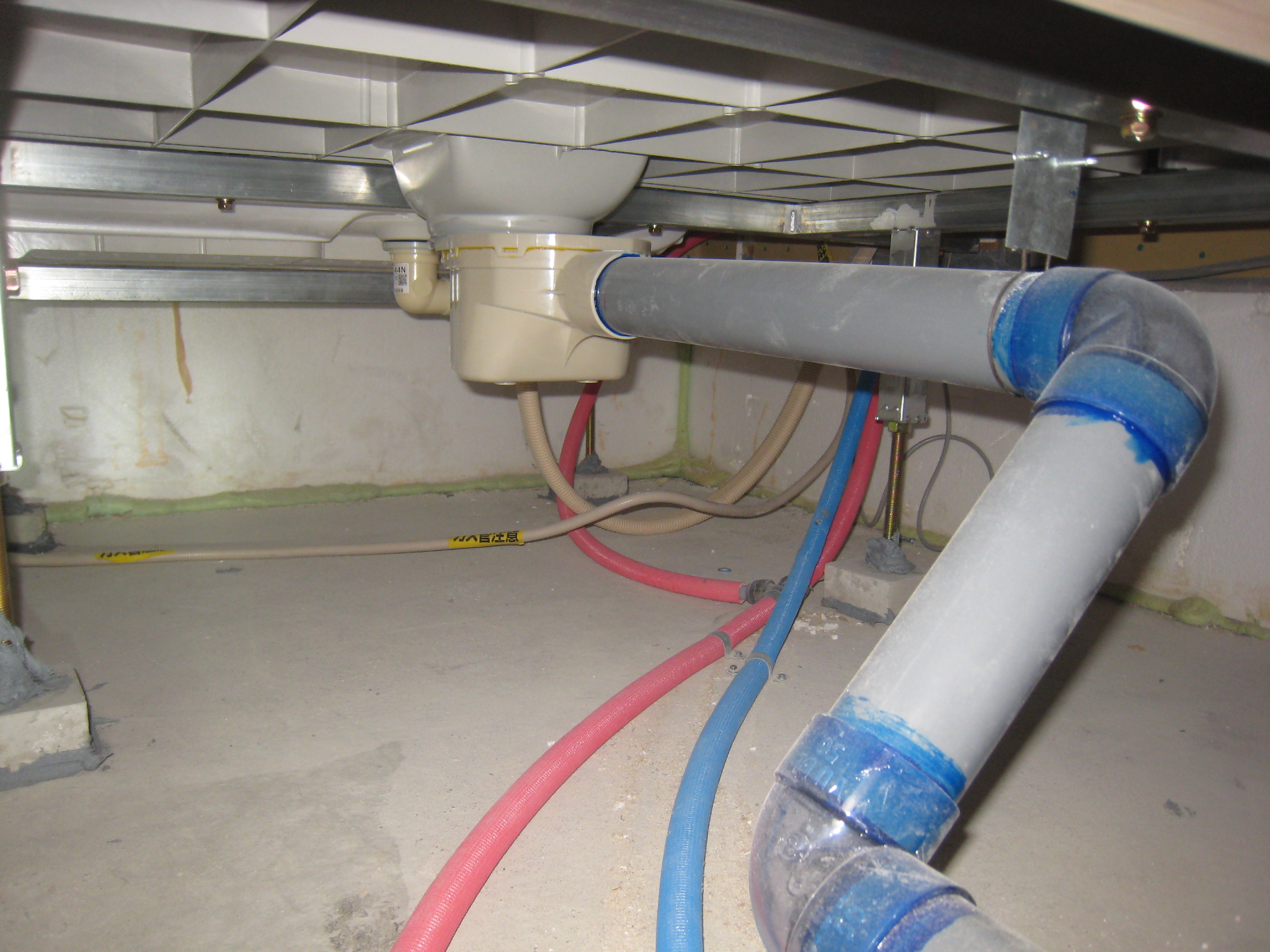
Newly Built Detached Houses – Defect Series: Underfloor Inspection Deterioration Often Begins Where You Can’t See
建物の劣化は、目に見えない部分から始まることが少なくありません。
その中でも床下は、重要でありながら見落とされがちな空間であり、構造的な不具合の初期兆候が気づかれないまま進行することがあります。
床下の構造材は、シロアリ被害や漏水による腐朽などによって劣化する可能性があります。
また、換気不足による湿気の滞留は、木部の劣化をさらに加速させるため、適切な通気の確保が不可欠です。
対策としては、換気口の設置や、防湿シートの施工などが有効です。
これらは床下の湿度をコントロールし、長期的に構造材を保護する役割を果たします。
床下の状況は、床下点検口を開けたり、キッチンなどの床下収納を取り外すことで、目視確認が可能な場合が多いです。
しかし、建物によっては点検口が設けられておらず、内部の確認が困難なケースもあります。
点検口がないこと自体が直ちに欠陥を意味するわけではありませんが、維持管理の観点からは設置を検討する価値があります。
床下確認時の主なチェックポイント
・水栓を全開にし、しばらく待って配管からの漏水がないか確認する
・基礎下の地面が土のままの建物は、湿気リスクが高いため注意する
・床下木部の含水率は15%程度が目安であり、30〜40%は劣化リスクが高い状態
・床下の高さを測り、人が進入・移動できるかを確認する(点検性・維持管理性の指標)
・横引き配管の逆勾配など、不適切な排水計画がないか確認する
・基礎パッキン工法において、換気を阻害するような不適切な施工がされていないか注意する
小屋裏の確認は身体的な負担を伴うことが多いですが、床下は点検口さえあれば比較的容易に内部を確認することができます。
購入を具体的に検討している場合には、床下を実際に確認することで、建物の状態に関する重要な情報を得ることができます。
一見して見えない部分こそが、住宅の長期的な耐久性を左右する重要な要素となるのです。
Deterioration in a house often begins in places that are not immediately visible.
The underfloor area is one of the most critical yet overlooked spaces, where early signs of structural issues can develop unnoticed.
Structural members beneath the floor can deteriorate due to termite damage or decay caused by water leaks.
Excess moisture resulting from poor ventilation accelerates the deterioration of wooden components, making proper airflow essential.
Effective preventive measures include the installation of ventilation openings and the use of moisture barriers such as vapor sheets. These help control humidity levels and protect the structure over time.
In many cases, the underfloor area can be visually inspected by opening a floor inspection hatch or removing access panels such as those found in kitchen storage spaces.
However, some buildings lack any form of access, making inspection difficult. While the absence of access does not automatically indicate a defect, installing an inspection hatch is highly recommended for long-term maintenance and peace of mind.
When inspecting the underfloor area, several practical checks can be performed:
Turn on a water tap fully and wait briefly to check for any signs of leakage in the plumbing system
Be cautious with properties where the ground beneath the foundation is left as bare soil, as this can contribute to moisture problems
The moisture content of wooden structural members should ideally be around 15 percent; levels of 30 to 40 percent indicate a high risk of deterioration
Measure the clearance height of the underfloor space to determine whether a person can enter and move for inspection or maintenance
Check for improper pipe slopes, especially reverse gradients in horizontal drainage pipes
Be aware of foundation packing methods; improper installation without adequate ventilation can actually obstruct airflow rather than improve it
Inspecting the attic can be physically demanding, but the underfloor area is often much easier to access if an inspection hatch is available.
If you are seriously considering purchasing a property, taking the time to look beneath the floor can reveal critical information about the building’s condition.
What you cannot see at first glance may ultimately determine the long-term durability of the home.